
Structural Superiority of Heavy-Duty Precast Box_Culverts
High-Load Underground Drainage Solutions Engineered for Highway HS-20 & Railway E-80 Standards

Marcus Vance, PE
Lead Structural Engineer
Discover how monolithically poured precast box culverts accelerate underground infrastructure projects while exceeding ASTM C1577 structural requirements under extreme axle loads.
1. The Precast Advantage Over Cast-in-Place Concrete
Precision Plant Manufacturing Eliminates Field Weather Delays
Traditional cast-in-place culvert construction often succumbs to unpredictable weather conditions, formwork shifting, and extended cure times that hold up vital road construction.
Monolithic precast box culverts are manufactured under strict NPCA certified plant environments. Automated batching systems control water-cement ratios down to ±1%, delivering concrete compressive strengths exceeding 7,000 PSI prior to jobsite placement.
Contractors achieve up to 80% faster installation cycles, setting up to 200 linear feet of culvert per day using single-crane pick operations.
Engineered Fact: Precast box culverts can be backfilled and subjected to full traffic loads within 24 hours of placement.
Design Parameters
- Span dimensions from 4' to 16' width
- Rise configurations from 3' to 12' height
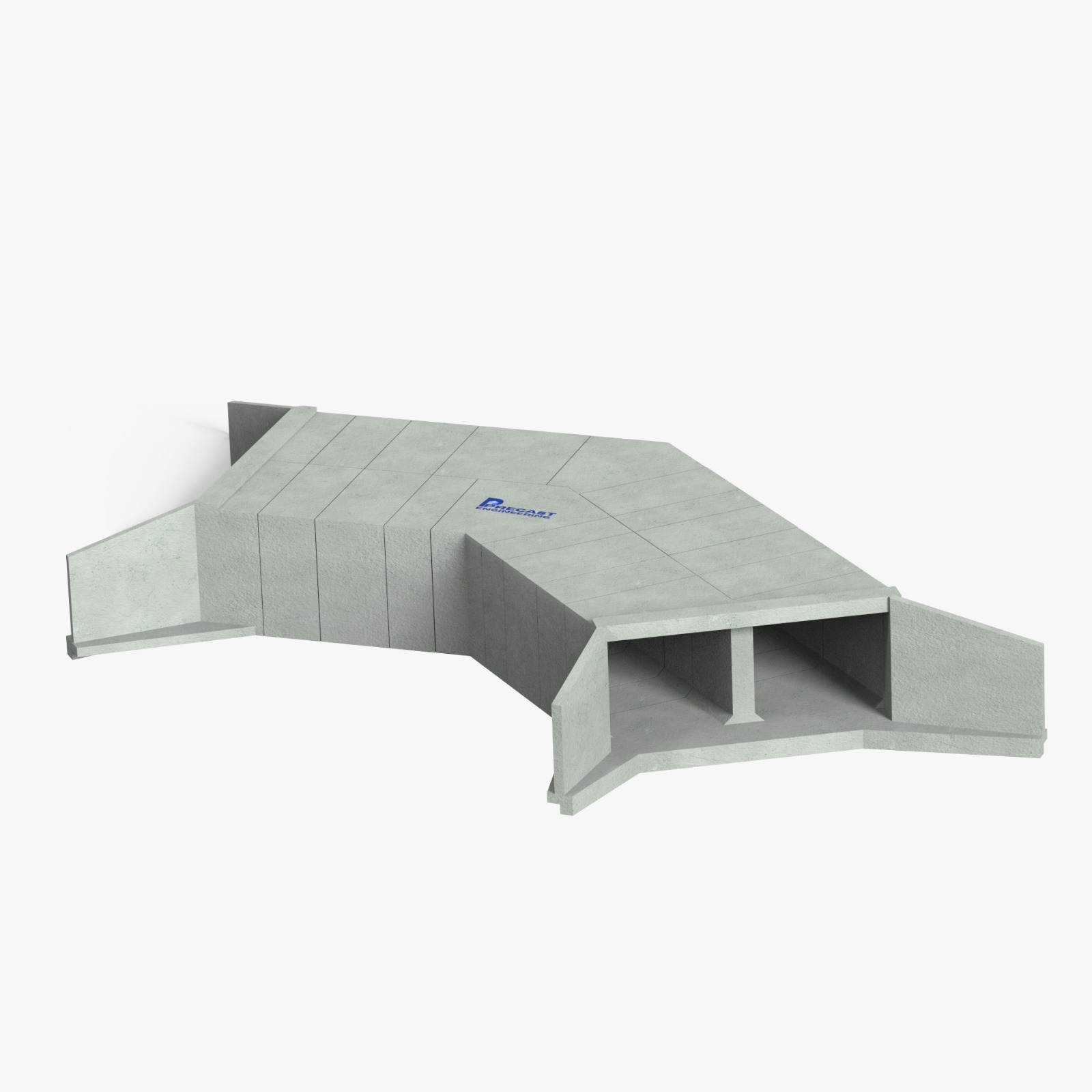
- Custom skewed ends & headwall integrated units
- Built-in lifting anchors engineered for safe crane rigging
2. Advanced Finite Element Analysis & Load Distribution
Resisting Dynamic Impact Loads and Extreme Earth Overburden
Underground precast structures must withstand both dead loads from deep soil cover and heavy live loads from passing freight trucks and locomotives.
Our engineering team uses advanced structural modeling to optimize rebar placement, minimizing slab thickness while maximizing shear resistance at corner haunches.
Integral corner haunches redistribute bending moments from top slabs into sidewalls, preventing localized stress cracking over decades of thermal expansion and contraction.
3. Watertight Joint Engineering & Environmental Compliance
Zero Exfiltration and Infiltration Guarantees
Subsurface stormwater networks demand complete joint integrity to prevent sinkholes and groundwater contamination.
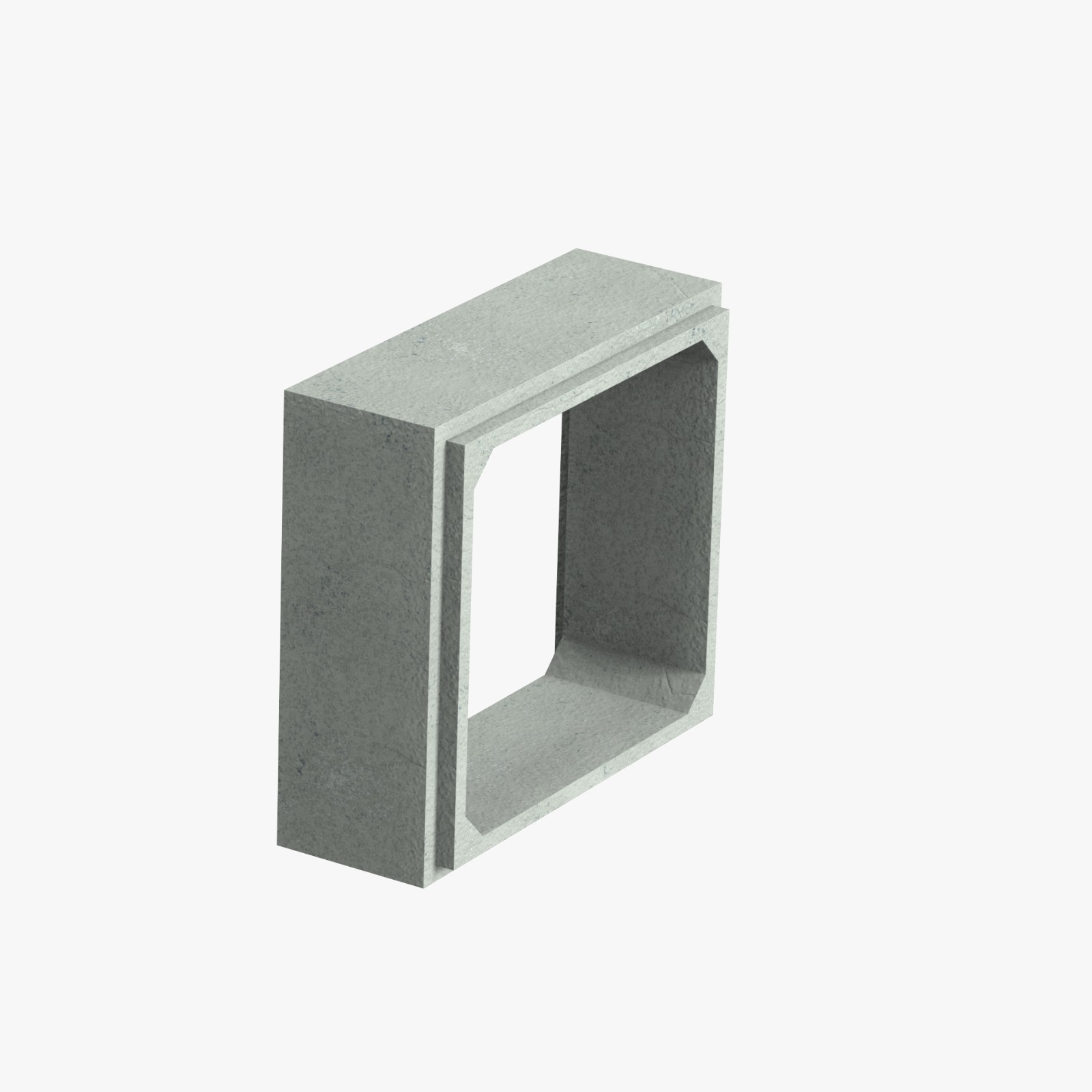
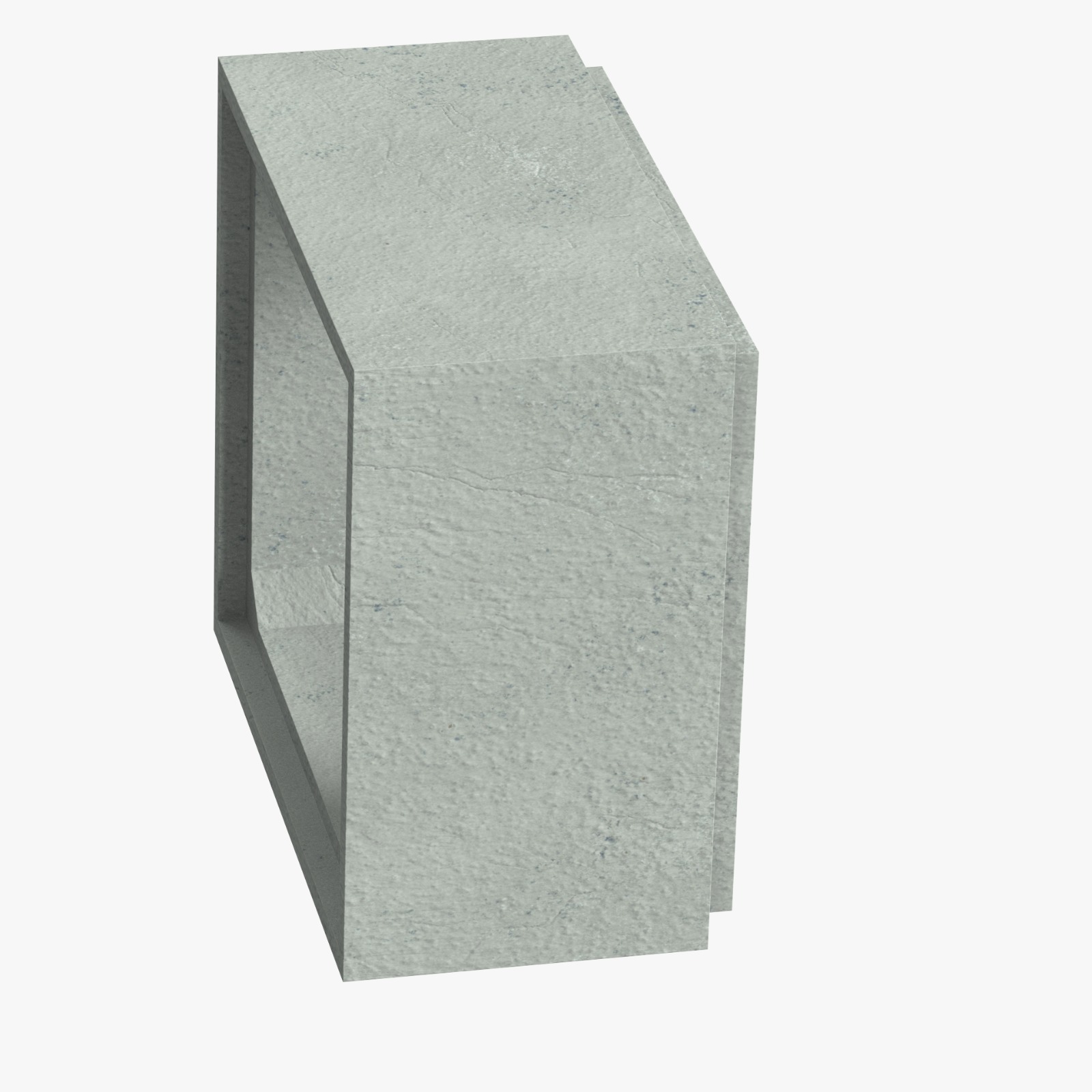
Our box culvert sections utilize tongue-and-groove joint profiles engineered with pre-formed flexible butyl rubber sealant complying with ASTM C990. For severe hydraulic heads, external elastomeric wraps (ASTM C877) are applied around outer perimeters.
Additional Video Footage & Installation Clips
Technical Visual Gallery & Blueprints
Summary Specification
- ASTM C1577 compliant precast box culverts deliver immediate structural capacity upon installation.
- Controlled curing environments guarantee 100+ year service life in aggressive soil chemistries.
- Reduces road closure timelines by 75% compared to on-site cast concrete.